
The Colour Circle and the Symbolism of Colours from Goethe's Colour Theory (Part 3)
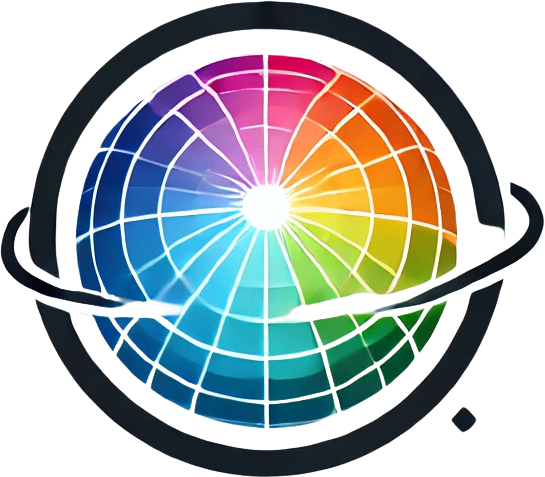
The Colour Circle and the Symbolism of Colours One of the most iconic contributions of Johann Wolfgang von Goethe to colour theory is his colour circle. This circle, which illustrates the relationship between different colours and their psychological effects, forms a core part of his work Zur Farbenlehre. Goethe's colour circle is not only a scientific tool, but also an artistic and philosophical concept that explores the deeper meaning of colour. The Structure of Goethe's Colour Circle Goethe's colour circle differs considerably from Isaac Newton's spectral approach. Whereas Newton's colour spectrum is based on the physical properties of light, Goethe focuses on the perception and emotional impact of colours. His colour circle is built up from six main colours, divided into primary and secondary colours: Primary Colours: Red Yellow Blue Secondary Colours: Orange (combination of red and yellow) Green (combination of yellow and blue) Purple (comb…
The Colour Circle and the Symbolism of Colours
One of the most iconic contributions of Johann Wolfgang von Goethe to colour theory is his colour circle. This circle, which illustrates the relationship between different colours and their psychological effects, forms a core part of his work Zur Farbenlehre. Goethe's colour circle is not only a scientific tool, but also an artistic and philosophical concept that explores the deeper meaning of colour.
The Structure of Goethe's Colour Circle
Goethe's colour circle differs considerably from Isaac Newton's spectral approach. Whereas Newton's colour spectrum is based on the physical properties of light, Goethe focuses on the perception and emotional impact of colours. His colour circle is built up from six main colours, divided into primary and secondary colours:
- Primary Colours:
- Red
- Yellow
- Blue
- Secondary Colours:
- Orange (combination of red and yellow)
- Green (combination of yellow and blue)
- Purple (combination of blue and red)
Goethe arranged these colours in a circular formation, with complementary colours (such as red and green) positioned opposite each other. This arrangement highlights the harmonious relationships between colours as well as their contrasts.
The Psychological and Symbolic Meaning of Colours
Goethe believed that colours have a direct influence on our emotions and moods. He linked specific psychological and symbolic meanings to the colours in his circle:
- Yellow:
- Psychological: Yellow is associated with warmth, joy and energy. It is a stimulating colour that evokes optimism and clarity.
- Symbolic: Yellow symbolises light and illumination. It is often associated with the sun and spiritual enlightenment.
- Blue:
- Psychological: Blue evokes feelings of calm, serenity and introspection. It is often seen as a soothing colour.
- Symbolic: Blue is associated with the sky and the sea, and symbolises infinity and mystery.
- Red:
- Psychological: Red is an intense colour that evokes passion, power and excitement. It can trigger both positive and negative emotions, such as love and anger.
- Symbolic: Red symbolises life and energy, but also danger and aggression.
- Orange:
- Psychological: Orange combines the energy of red with the warmth of yellow. It is associated with enthusiasm, creativity and vitality.
- Symbolic: Orange symbolises transformation and balance.
- Green:
- Psychological: Green is seen as a harmonious and balanced colour. It evokes feelings of calm and stability.
- Symbolic: Green symbolises nature, growth and renewal.
- Purple:
- Psychological: Purple combines the calmness of blue with the energy of red. It is associated with mysticism, spirituality and luxury.
- Symbolic: Purple symbolises wisdom, power and creativity.
The full article is available to members
You are reading the opening section. Members read the full article.
The full article is available to members
This entry continues with the measurement protocol, worked examples and the source list. Members read it in full.